
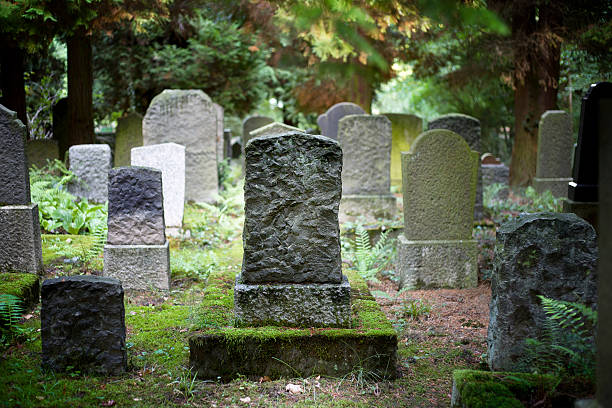
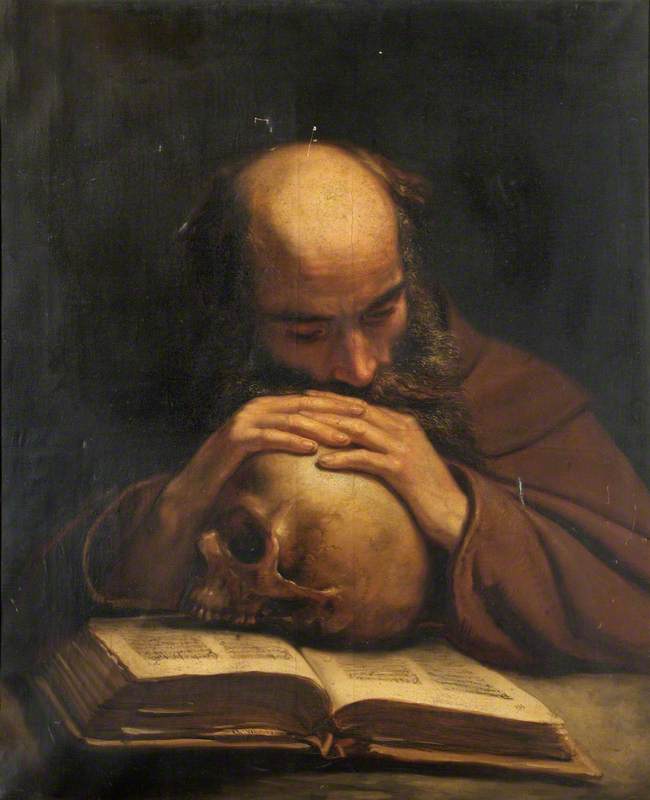
The picture is striking. Why does it catch your eye? How does it effect you? Confused? Unsettled? Curious? Disgusted? This is no ordinary scene.
In fact this is no ordinary scene because of “A Forgotten Truth About Death.” What is it? It is not shocking but quite simple: all die.
But that is no secret. Everybody knows that humans die.
Yes, we know but do we appreciate that fact. Do we live as though it were true. It is not forgotten in the sense that it is a revolutionary idea to speak of it, but practically it is all to often forgotten.
Psalm 49
Grab a Bible, pen, and paper. Turn to Psalm 49. I came across this psalm a couple months ago and it strikes the mind in a similar way that the photo above strikes the eye. The message is:
Everybody listen. Everybody dies. No one escapes. Only One can rescue.
Indeed the message of the psalm is to explain that trusting God to rescue is the answer for all who wish to escape death (in the final resurrection), but even amid that thought leaves the child of God with the reminder that you will die. Let us consider three lessons given us by the psalmist regarding our death:
- Psalm 49:10 — Death does not discriminate. It is the most woke institution on our planet…very very inclusive this one is. One of the forgotten facts about death is that 1-out-of-1 people die…at least as reported by the most recent polls. It is certain. That is why the Preacher of Ecclesiastes states: “Better to spend your time at funerals than at parties. After all, everyone dies— so the living should take this to heart.” (Ecc. 7:2; NLT). One day you will lay on a bed and not see the next sunrise. That moment may come after a doctor gives you news that you have 6 months to live, or after you are involved in a serious car accident and you KNOW as you look at your mangled body. We do not know when but we do know it is not if but when. You have only a certain number of breathes of your lungs and pumps of your heart, and then it is over.
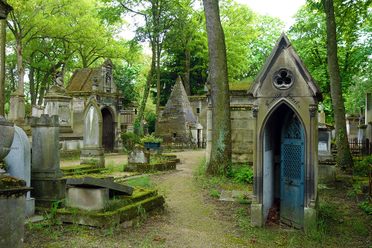
- Psalm 49 speaks of the grave or death 11 times within the span of 49:9-20…yep, just about once per verse. Why do I mention this? The child of God might say: “No worries about death…to be absent from the body is to be at home with the Lord (2 Cor. 5:8).” True enough. And I do not wish nor purpose to shake anybody’s hope in Paul’s words. However, I do wish to call us to a balanced view. We have hope for the future yet we have God given purpose for the now. The repetition of death in Psalm 49 cries for out attention and meditation. The monk above in the picture is portrayed as meditating on his mortality. Considering the fragility and finitude of life in this age is a wise act. It is wise for it cuts away our near-sightedness while training us to consider the big picture of our lives. Maybe a walk through a cemetery while thinking on Genesis 3:19; Psalm 90:3-12; 103:14-16; Isaiah 40:6-8; James 4:14. We need to know the we have only a short time on this earth during this age.
- This truth and weight of the this ought to press us to think more soberly regarding our days. The starts to the day become more purposeful. The tasks at hand become precious. The relationships that are interwoven amid our day are a privilege. You do not know when the mist of your life will disappear. We must know that our relationships on this side of eternity have an expiration date. We have only so many minutes to do the good work our Father has tasked us with. You will have only a number of more mornings before the one that does not see a sunset.
May 2023 be a year in which you are more mindful of the finitude of your life. This is not to discourage God’s child but to spur him on to make good of the new life God has given with the ambition of hearing: “Well done my good and faithful servant.”
Take a walk in a cemetery. Read the texts listed above. Meditate and even memorize the following: “Even the wise die; the fool and the stupid alike must perish and leave their wealth to others…Man in his pomp will not remain; he is like the beasts that perish.” (49:10,12)
 The Reforming Raker
So very true!! What a great reminder! Thank you!
Mamaw
LikeLike