

Grab a Bible and a Drink, and let’s look to the cross. This post is intended for reflection on Christ’s death, especially on this day between Good Friday and Easter.
Luke 23:32-46
Take a moment and read this story.
What do we make of this short moment in history? How are we to think of the people involved? What does it all mean?
Luke has prepared his audience throughout the previous 22 chapters for this one moment. By looking back on Christ’s teaching in this book of Luke we find meaning for this moment at the cross.
Rebels Reject the Redeemer
First we must rewind the story back by one week. Jesus had just come to Jerusalem riding on the donkey (Zech 9:9). He had been in the city for a day or two when the scribes and pharisees continue rebel against Jesus by challenging and questioning him. These questions were only asked with the intent to cause harm to Jesus’ reputation. To this Jesus replies with a parable (20:9-18). This parable used word pictures from Isaiah (Isa. 8:14-15) and the psalms (Psa. 118:22) which portrayed God’s judgement on his enemies.
Please red Luke 20:9-18
The parable tells the story of a son who is sent by his father to a group of people who rejected the son by killing him. Jesus speaks of the death of the son as a way of explaining his own death.
At the cross we see the story Jesus told unfold within real-time history. Jesus is the true Son, the Son of God who is rejected and killed by rebellious humanity. The death of God’s Son is the great and clear evidence of our rebellion against God.

At the cross we see universal blasphemy against the Creator. What does the Creator and King do by his justice to rebels like us? Let us consider what the good and righteous Creator does when humanity rebels against and blasphemes his Son.
It is here that we take a second look at the cross.
The Redeemer our Passover Lamb
We look to the night before when Jesus shared a special meal with his friends and disciples (22:19-20). The night before his crucifixion Jesus ate the Passover meal. A meal that reminded them of God’s judgement on rebels, yet also mercy for those who believe the promise of God.
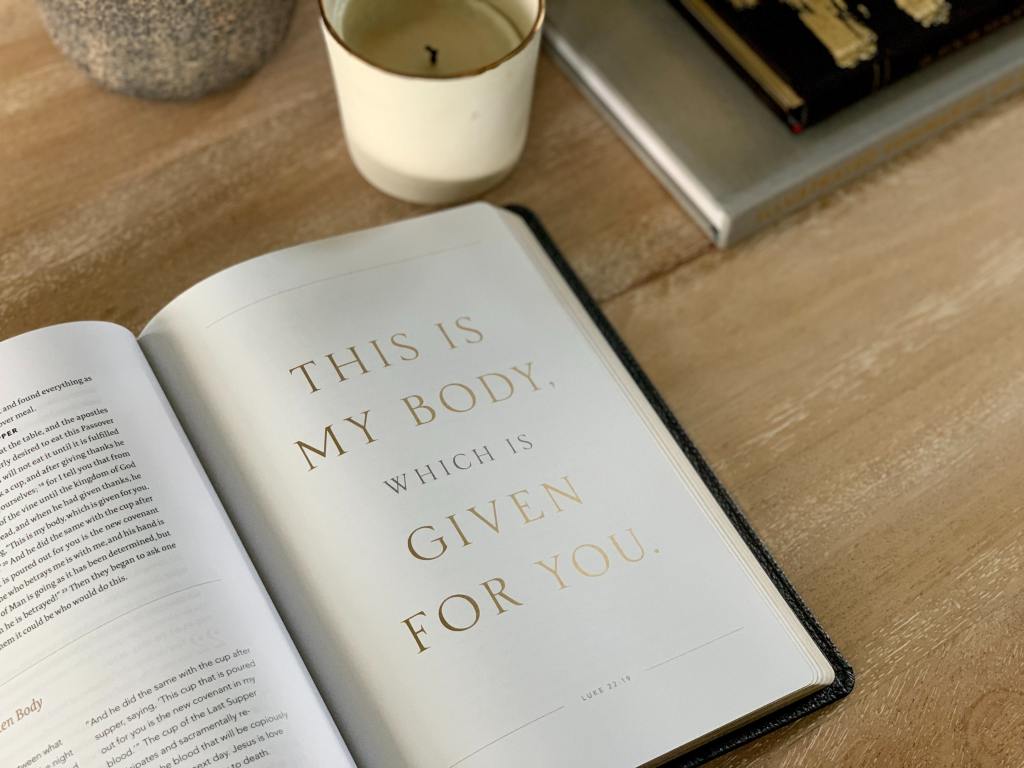
And he took bread, and when he had given thanks, he broke it and gave it to them, saying, “This is my body, which is given for you. Do this in remembrance of me.” And likewise the cup after they had eaten, saying, “This cup that is poured out for you is the new covenant in my blood.”
Luke 22:19-20
In this moment Jesus recreates this meal into something fresh and new which is tied to the new work of God that is soon to begin by Christ’s death.
The bread and cup that he held up in front of the disciples would become reminders of his death at the cross. He says the bread and cup are “for you.” His death would be a sacrifice made personally by Jesus for the personal benefit of all who believe God’s promises.
By this sacrifice a new way to God would open up in which God forgives sin and teaches us obedience, all within a personal relationship to God as father.
Yet how can this be? How can the righteous God we heard of earlier make a place in his family for a rebel and yet not become unrighteous himself?
Once again we will take a third and final look at the cross from earlier in the story. Here we will find our answer.
The Redeemer Treated as a Rebel
Just hours before Jesus was arrested he had a short conversation with his disciples. He told them that what was about to occur had to happen so that God’s promise from Isaiah 53:12 could be completed. Jesus said in Luke 22:
“I tell you that this scripture must be fulfilled in me:
‘And he was numbered with the transgressors’.”
Luke 22:37
This word of God as spoken by Isaiah finally took place when Jesus died on the cross between two thieves, two transgressors.
At the cross Jesus’ death and sacrifice between two sinners is a visible and historical event reminding us that Jesus came into the world to join in and live with mankind. He stepped in and reached out to us. He identified himself not only with humanity, but as a human himself. He was counted with the transgressors, rebels, blasphemers, sinners, mockers so that God could count believing sinners with The Righteous One, Jesus himself. The cross was the grand and great rescue, a life for a life. What the devil and humanity intended for evil, God had always intended for good.
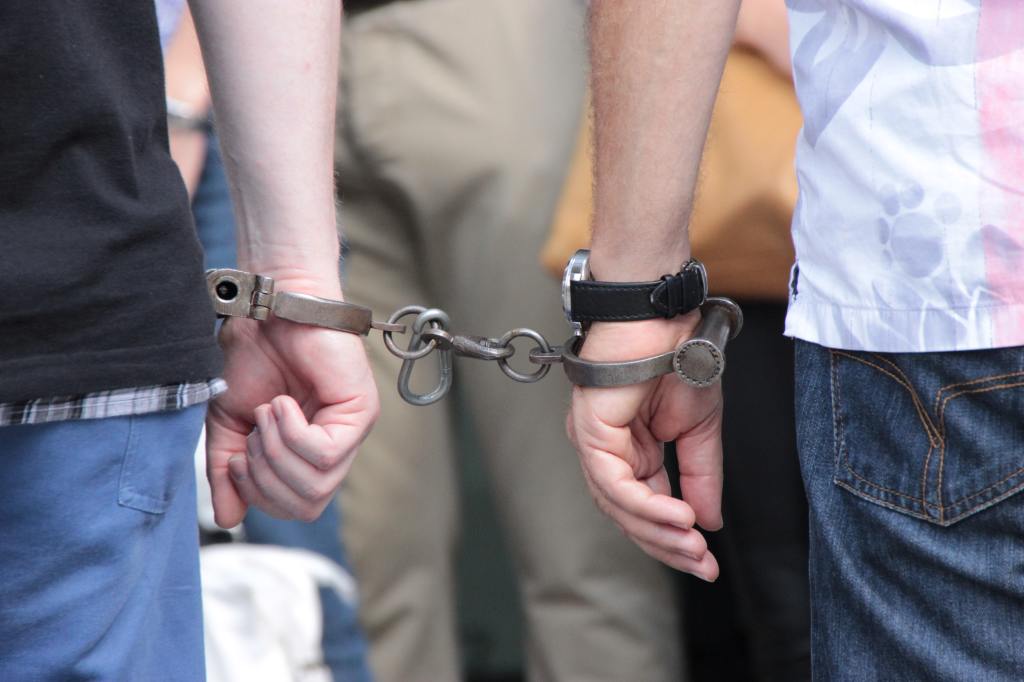
Our earlier question was what does God do with rebellious sinners? He judges them. He punishes the wicked. He divinely torments and plagues the one who mocks his goodness and glory.
What do you suppose happened to Jesus as he hung on a criminal’s cross and so was numbered with sinners. He was treated by God as a rebel and so a way was made for God to bring rebels unto redemption.
Because Jesus gladly received treatment from God that he did not deserve, so now the Father may gladly grant forgiveness and new life to sinners like us who do not deserve it.
Jesus was considered a criminal by God so that we might become children of God.
Jesus carried our sin and guilt on his body there on the cross so that we might be clothed in righteousness.
Jesus felt the full force of God’s judgement toward sin and sinners so that we can feel the power of his love and grace.
Jesus came into our story to rescue and redeem us out of our story. Humanity’s story ends in judgement. Jesus came to lead us into a new life in his Kingdom and family where God is not judge but father. We come to Jesus by belief, belief in his promise, trust that what he says is true.
 The Reforming Raker